Blogs

The Latest From
Precision Integtrators

Warehouse Design and Installation: Why One Partner Should Own the Entire Project
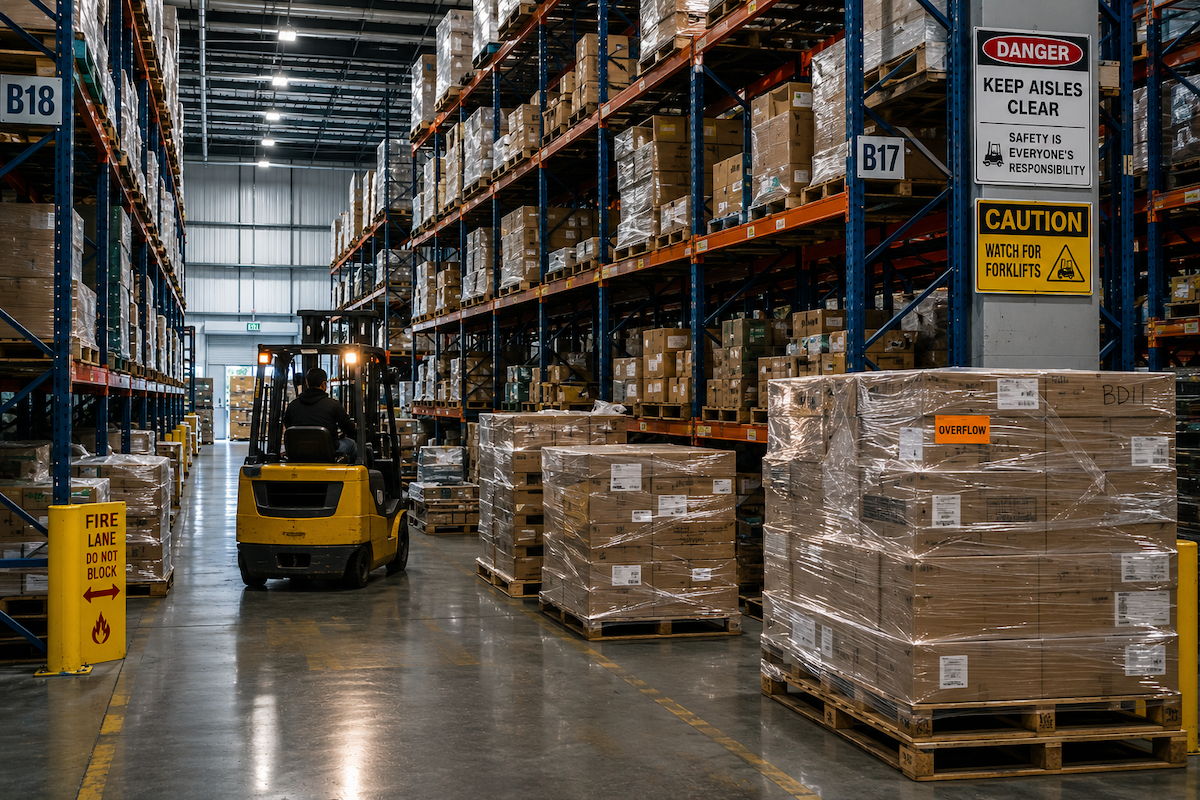
When selective racking runs out of positions, pallets end up in aisles. Here's why that "temporary" fix is a safety hazard, an OSHA violation, and a liability waiting to land.
Read Article
Warehouse Overflow Storage: Why Aisle Staging Creates Safety Hazards and OSHA Violations
Aisle staging feels temporary. It never is. Overflow storage creates OSHA violations, fire code failures, and real injury risk. The fix is recovering positions by design, not normalizing the workaround.
Read Article
Warehouse Expansion vs. Redesign: How to Decide If You Need More Space or Better Space
Most warehouses reach the "we need more space" conversation before they actually need more space. The real constraint is usually cube utilization, throughput, or slotting. Get the diagnosis right and the decision makes itself.
Read Article
Staging Area Design: Reducing Bottlenecks at Receiving and Shipping
Staging area design determines how smoothly goods move through your dock. Poor layouts create bottlenecks that ripple across the entire operation. The right setup separates receiving from shipping, organizes lanes by function, and sizes for peak volume rather than average demand.
Read Article
Rack Damage Assessment: When to Repair vs. When to Replace
When rack damage occurs, the real question isn't whether to act. It's whether to repair or replace. The answer depends on damage type, severity, system age, and total cost including downtime. A systematic inspection program and professional assessment take the guesswork out of that call.
Read Article
Multi-State Warehouse Permitting: How to Manage Code Variations Across Jurisdictions
Warehouse permitting varies dramatically by jurisdiction, and multi-site operators feel that compounding. This guide covers how to anticipate code variations, build documentation that travels, and create a permit management approach that scales with your operation.
Read Article
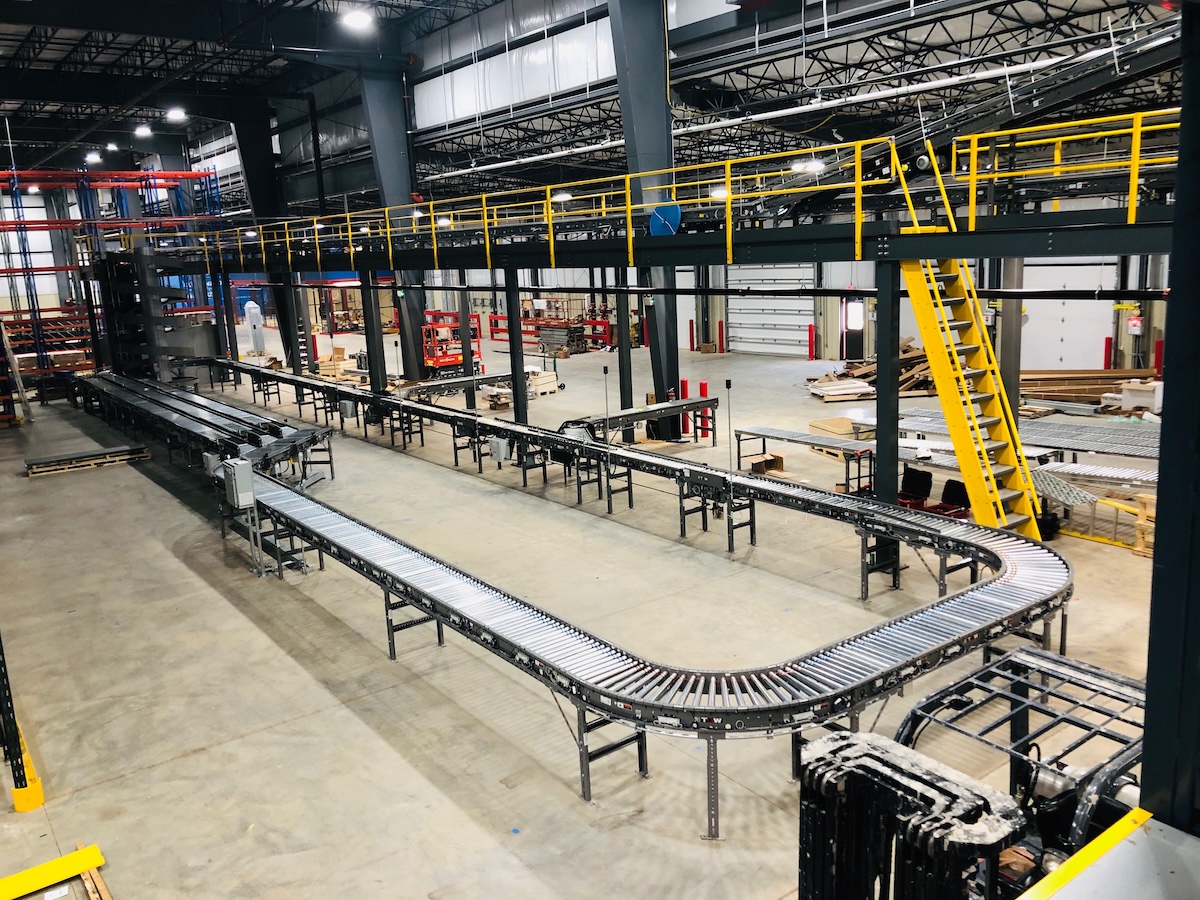
Conveyor System Types: Choosing the Right Solution for Your Operation
Conveyor systems break down into powered vs. gravity types, with belt, roller, MDR, and sortation conveyors each suited to different products, speeds, and operational needs. Choosing the right system means matching conveyor type to what you're moving, how fast, and what has to happen to it along the way.
Read Article
Mezzanine Permitting: What to Expect from Your Local Authority
Mezzanine permits are required in most jurisdictions and follow a predictable path: submit your engineering drawings and fire protection plans, clear plan review, and pass inspections before you load the structure. The full process typically runs 10–16 weeks from kickoff to occupancy. Build it into your timeline from the start and it won't slow you down.
Read Article
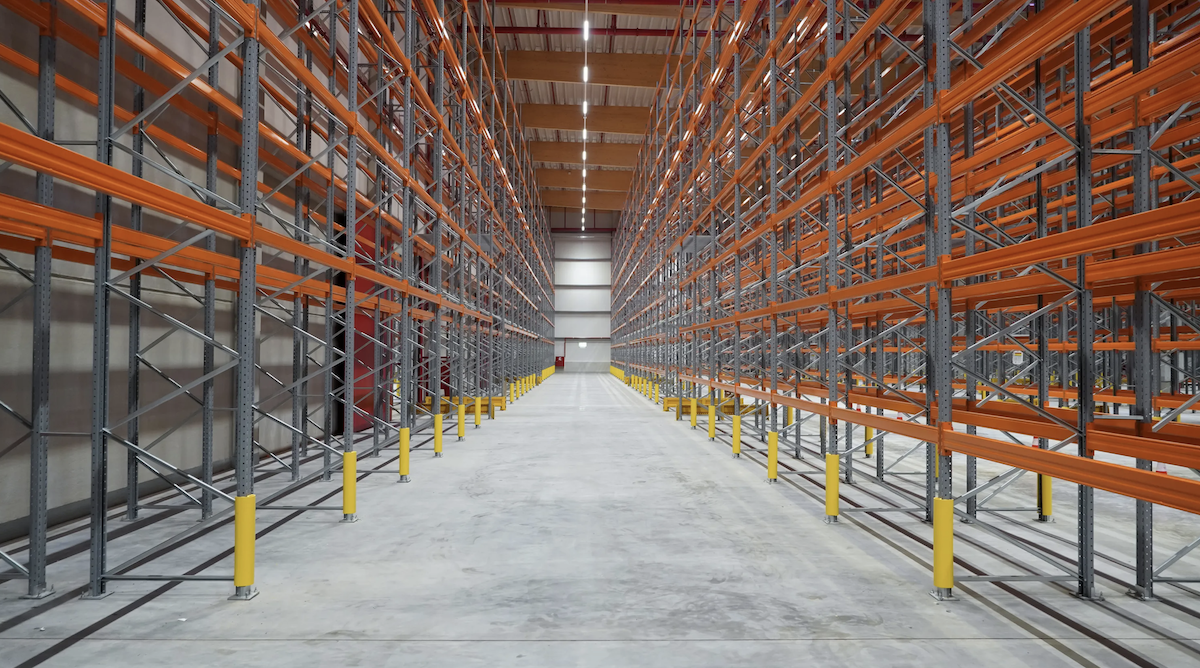
Selective vs. Drive-In Racking: Which System Fits Your Operation?
Selective racking gives every pallet direct aisle access but sacrifices density, while drive-in racking maximizes storage by stacking pallets deep in lanes at the cost of limited access. The right choice comes down to SKU count, inventory rotation needs, and space constraints. Many operations use both, with selective in active picking zones and drive-in for bulk reserve storage.
Read Article
Mezzanine or Expansion: How to Actually Think Through This Decision
Mezzanine or expansion? Get the honest cost comparison, including timelines, ROI, and the tax advantages most overlook, before making a major warehouse investment.
Read Article
Does Automation Have to Be the Only Answer for an Efficient Warehouse?
Warehouse automation isn't always the answer. Discover why optimizing layout, processes, and flow often outperforms expensive robotics—and when to automate.
Read Article
Warehouse Space Optimization: 7 Ways to Maximize Storage Without Expanding
Maximize your warehouse storage without expanding. Discover 7 space optimization strategies that increase capacity, improve efficiency, and reduce costs.
Read Article