If you are storing product more than 12 feet high in a warehouse, the fire code likely requires a high pile storage permit, and skipping it can stop your operation cold. A failed inspection or a red tag from the fire marshal after you have already racked inventory is one of the most expensive mistakes a facility can make. This article explains what high pile storage permits are, when you need one, what reviewers look for, and how to get a high pile permit approved without the delays that derail so many warehouse projects.
By the end, you will understand the fire code basics, the documents you need to submit, the step by step approval process, and the common reasons applications get rejected.
Quick Summary
- A high pile storage permit is a fire code approval required when combustible materials are stored above a defined height, generally 12 feet, or 6 feet for high hazard commodities.
- High piled storage is regulated under the International Fire Code, Chapter 32, which most jurisdictions adopt.
- The permit confirms your storage arrangement, commodity classification, and fire protection systems meet code before you store product.
- Getting approved requires a high pile storage plan, commodity classification, rack layout, and details on sprinklers, aisles, and smoke removal.
- The process runs through your local fire department or building department, often alongside the building permit.
- Common rejection causes include wrong commodity classification, inadequate sprinkler design, blocked flue spaces, and missing documentation.
- Working with a partner who handles high pile analysis and permitting protects you from red tags and costly rework.
What Is a High Pile Storage Permit?
A high pile storage permit is an approval from the local fire authority confirming that a warehouse storing combustible materials at height meets fire code requirements. The permit verifies that your storage configuration, the type of products you store, and your fire protection systems work together safely before inventory goes on the rack.
The reason this matters is physics. Tall storage burns hotter and faster, and stacked combustibles create fire loads that a standard building sprinkler system may not control. High pile permitting exists to make sure the sprinklers, aisle widths, rack design, and smoke removal in your facility are matched to what you actually store.
What Counts as High Piled Storage?
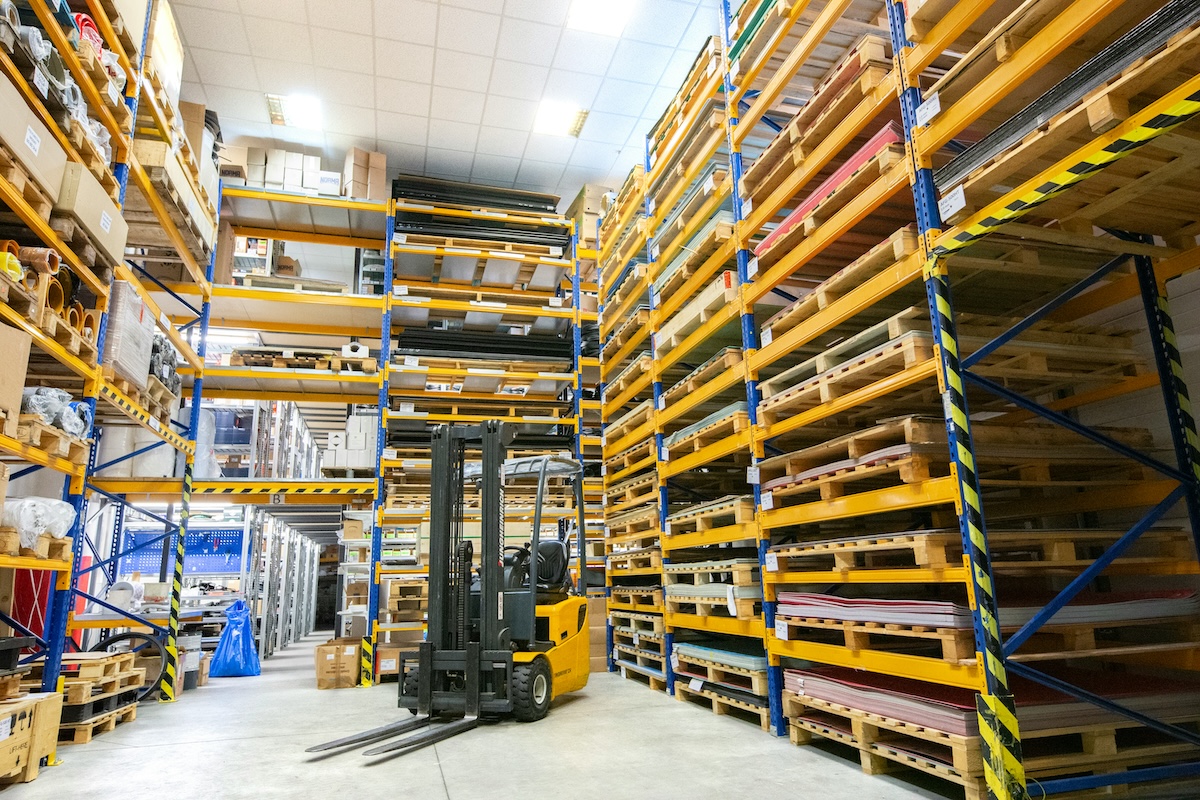
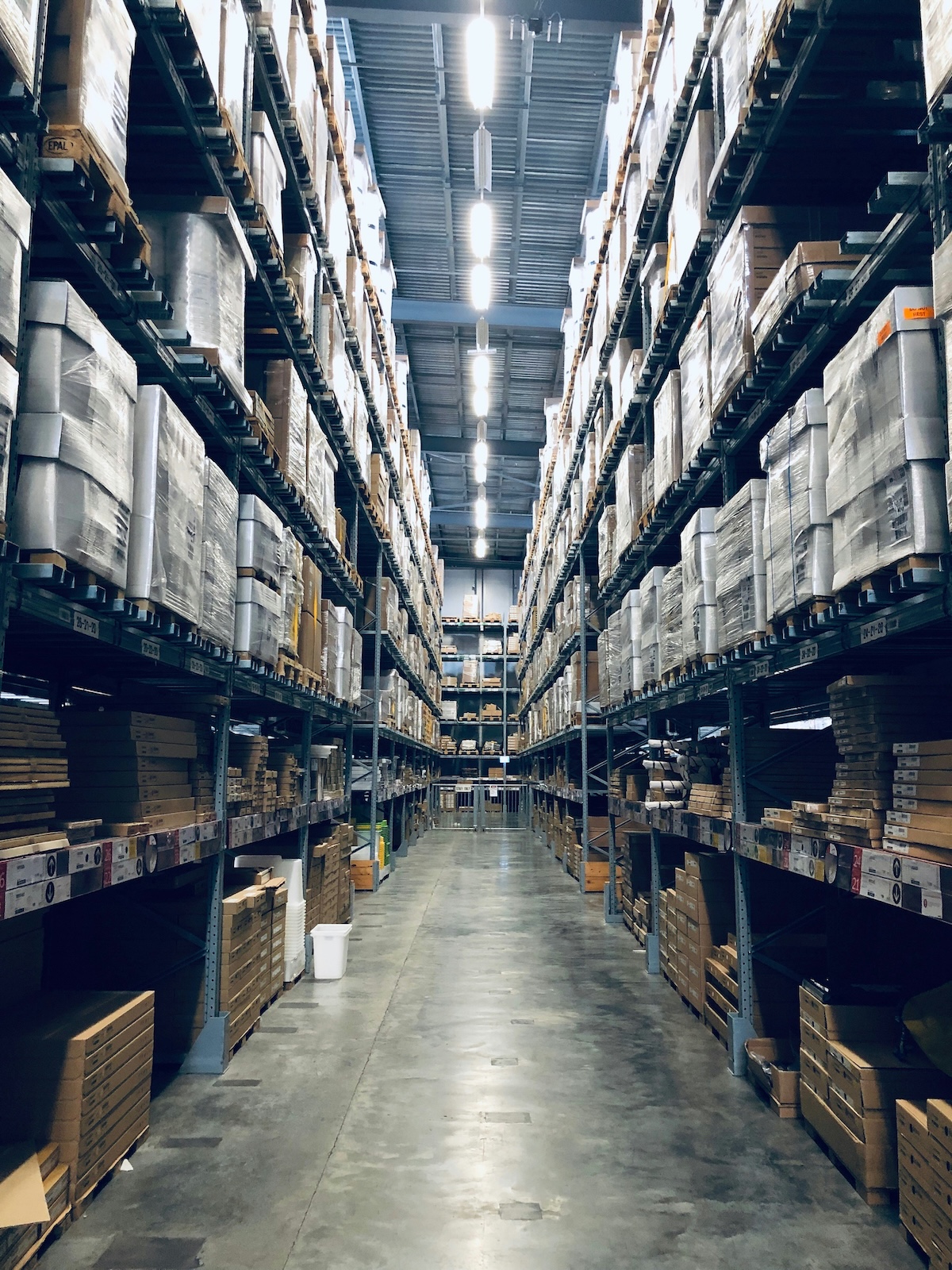
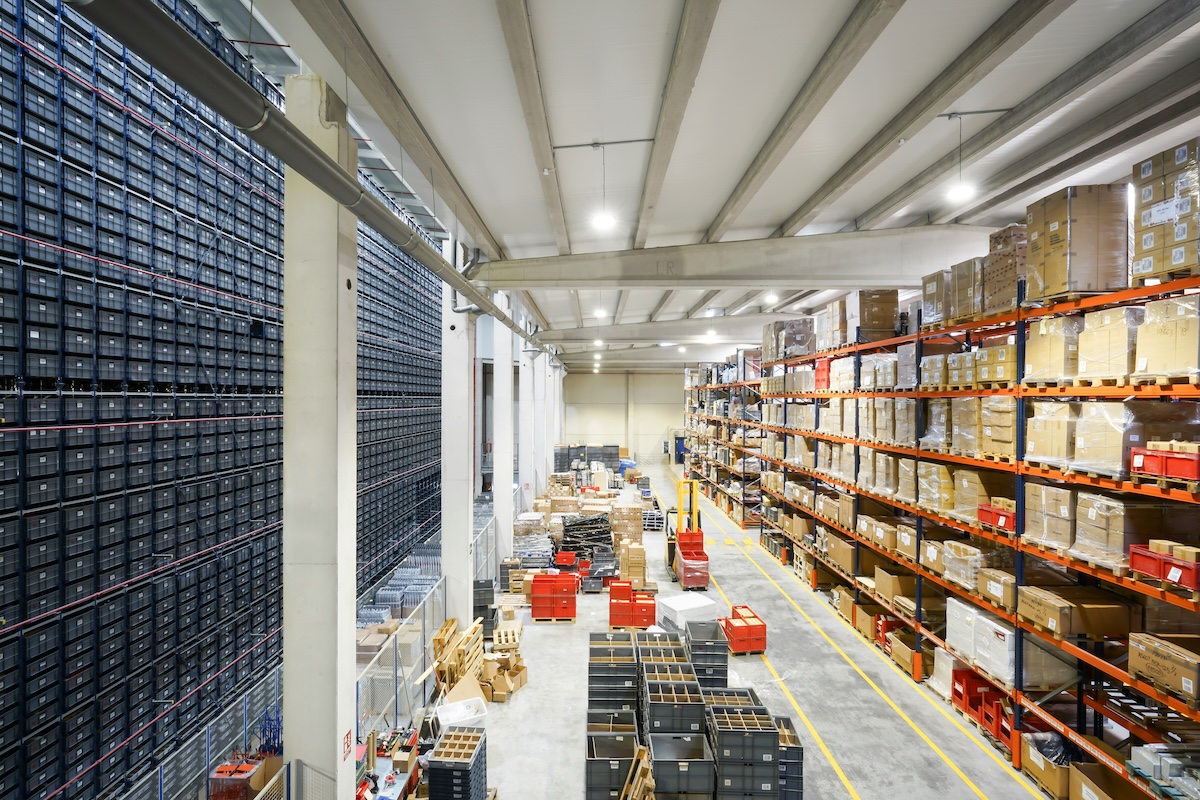
Under the International Fire Code, high piled combustible storage generally means storage of combustible materials in closely packed piles or on racks where the top of storage exceeds 12 feet in height. For high hazard commodities, that threshold drops to 6 feet.
This applies to most common storage methods, including pallet racking, solid pile storage, shelving, and bin box storage. If your product is combustible and stored above these heights, your facility almost certainly falls under high pile regulations.
When Do You Need a High Pile Storage Permit?
You need a high pile storage permit when combustible materials are stored above the code threshold. The standard trigger is storage taller than 12 feet, dropping to 6 feet for high hazard commodities such as flammable liquids, aerosols, or certain plastics. Many jurisdictions also require a permit once high piled storage exceeds a defined floor area, often around 500 square feet, so always confirm local rules before assuming you are exempt.
Factors That Determine Whether You Need a Permit
- Storage height. Above 12 feet generally triggers high pile requirements, 6 feet for high hazard.
- Commodity classification. What you store determines your hazard level and protection needs.
- Total area of high piled storage in the building.
- Local code adoption and amendments, which vary by jurisdiction.
Even if you think your storage is borderline, it is far cheaper to confirm with your local fire authority than to be cited after the fact.
What the Fire Code Requires for High Pile Storage
High piled storage is governed by the International Fire Code, Chapter 32, which the large majority of jurisdictions adopt with local amendments. The code sets requirements across several areas, and your permit application has to address all of them.
Key requirements typically include automatic sprinkler systems sized to your commodity and storage height, defined aisle widths, fire department access, smoke and heat removal, and limits on storage arrangement. The exact requirements depend on your commodity classification, your storage height, and whether you use rack storage or solid pile storage.
Because Chapter 32 ties everything back to commodity classification, getting that classification right is the foundation of the entire application. Misclassify your product and every downstream requirement, especially sprinkler design, can be wrong.
How to Get a High Pile Storage Permit
Getting a high pile storage permit approved comes down to submitting a complete, accurate application that proves your storage and fire protection meet code. The process runs through your local fire department or building department, and it often moves in parallel with your building or tenant improvement permit. The single biggest factor in approval speed is the quality and completeness of your documentation.
Step by Step: How to Get a High Pile Permit
- Classify your commodities accurately using the fire code commodity classifications. This drives everything else.
- Determine your maximum storage height and the total high piled storage area.
- Prepare a high pile storage plan showing rack layout, aisle widths, storage heights, and commodity locations.
- Confirm your sprinkler system design matches your commodity class and storage configuration, with calculations from a fire protection engineer if required.
- Document smoke removal, fire department access, and any required curtain boards or draft stops.
- Submit the application package to your local fire or building authority.
- Respond promptly to plan review comments and correct any deficiencies.
- Pass the inspection, then receive your approved permit before storing product.
Documents You Typically Need
- A high piled storage plan or site plan showing storage areas, heights, and aisles.
- Commodity classification for everything you intend to store.
- Rack layout and storage arrangement details.
- Sprinkler system design and hydraulic calculations.
- Smoke and heat removal details where required.
- Building information, including square footage and occupancy.
Common Reasons High Pile Permits Get Rejected
Applications stall for predictable reasons. Knowing them ahead of time saves weeks.
- Incorrect commodity classification, which throws off the entire fire protection design.
- Sprinkler systems that are inadequate for the commodity or storage height.
- Blocked or insufficient flue spaces between stored products and racks.
- Aisle widths that do not meet code.
- Missing smoke removal or fire department access provisions.
- Incomplete documentation or plans that do not match the actual installation.
Most of these come back to planning the storage and fire protection together from the start rather than trying to retrofit compliance after the rack is up.
How Long Does It Take to Get a High Pile Permit?
Timelines vary by jurisdiction and the complexity of your storage, but plan review commonly takes several weeks, and more in busy or strict jurisdictions. Complex or high hazard storage takes longer because it requires more detailed fire protection engineering and review. The fastest approvals go to applications that are complete and accurate on the first submission, because every round of corrections adds another review cycle.
Building the permit timeline into your project schedule from day one is essential. Treating it as an afterthought is how facilities end up with finished racking they cannot legally fill.
Why High Pile Permitting Is Worth Getting Right
The cost of getting high pile permitting wrong is steep. A red tag stops you from storing product. Retrofitting sprinklers or reconfiguring rack after installation is expensive and disruptive. And operating without a required permit exposes you to liability if a fire occurs.
This is why high pile storage analysis belongs at the design stage, not the end. When commodity classification, rack layout, sprinkler design, and code compliance are planned together, the permit becomes a confirmation of good design rather than a hurdle. A partner who owns this process protects your timeline and keeps the risk off your shoulders.
Conclusion
High pile storage permitting protects your people, your product, and your ability to operate, and it rewards facilities that plan ahead. The essentials come down to a few things: know your storage height and commodity classification, understand that Chapter 32 of the fire code ties protection requirements to what you store, and submit a complete, accurate application the first time. Getting commodity classification and sprinkler design right at the start prevents the rejections and red tags that cost facilities the most.
Your next step is to confirm whether your storage crosses the height and hazard thresholds, then map the permit into your project schedule before installation begins. If your storage is complex or high hazard, bring in high pile expertise early so compliance is designed in rather than corrected later.
Frequently Asked Questions
What height requires a high pile storage permit?
High piled combustible storage generally begins at storage taller than 12 feet. For high hazard commodities such as flammable liquids, aerosols, or certain plastics, the threshold drops to 6 feet. Many jurisdictions also require a permit once high piled storage exceeds a defined floor area, so confirm local rules.
What is the fire code for high pile storage?
High piled storage is regulated under the International Fire Code, Chapter 32, which most jurisdictions adopt with local amendments. It sets requirements for sprinkler systems, aisle widths, fire department access, smoke removal, and storage arrangement based on commodity classification and storage height.
How do I get a high pile storage permit?
Classify your commodities, document your storage height and area, prepare a high pile storage plan with rack layout and sprinkler design, and submit the package to your local fire or building authority. Respond to plan review comments, pass inspection, and obtain approval before storing product.
How long does a high pile storage permit take?
Plan review commonly takes several weeks and longer in busy or strict jurisdictions or for complex high hazard storage. Complete, accurate first submissions move fastest, since each round of corrections adds another review cycle. Build the timeline into your project schedule from the start.
What happens if you store product without a high pile permit?
Operating without a required permit can result in a red tag that stops you from storing product, costly retrofits to bring the facility into compliance, and serious liability exposure if a fire occurs. It is far cheaper to permit correctly before installation than to correct violations afterward.