Choosing a warehouse systems integrator is one of the highest stakes decisions an operations leader makes. The right partner designs a facility that runs smoothly for a decade. The wrong one leaves you with rack that fails inspection, automation that never hits throughput targets, and a phone that stops getting answered the moment the invoice clears. This article walks you through how to choose a warehouse systems integrator and the exact questions to ask before you sign anything, so you can separate real partners from vendors who disappear when problems show up.
By the end, you will know what to look for in experience, design capability, permitting and compliance, project management, and ongoing support. You will also have a practical checklist you can take into your next vendor conversation.
Quick Summary
- A warehouse systems integrator designs, sources, installs, and supports the storage and automation systems that make a facility work, acting as the single point of accountability across the whole project.
- The best integrators handle design and engineering, permitting and code compliance, project management, installation, and long-term support under one roof.
- Ask about relevant project experience, who actually manages your job day to day, and how they handle problems like supply delays or failed inspections.
- Confirm they own permitting, high pile storage analysis, and code compliance rather than pushing that risk back onto you.
- Get clarity on warranties, post-installation support, and what happens after the system goes live.
- Watch for red flags: vague timelines, no engineering depth, no local code knowledge, and reluctance to share references.
- A strong integrator treats your risks as their risks and stays accountable from concept through years of operation.
What Is a Warehouse Systems Integrator?
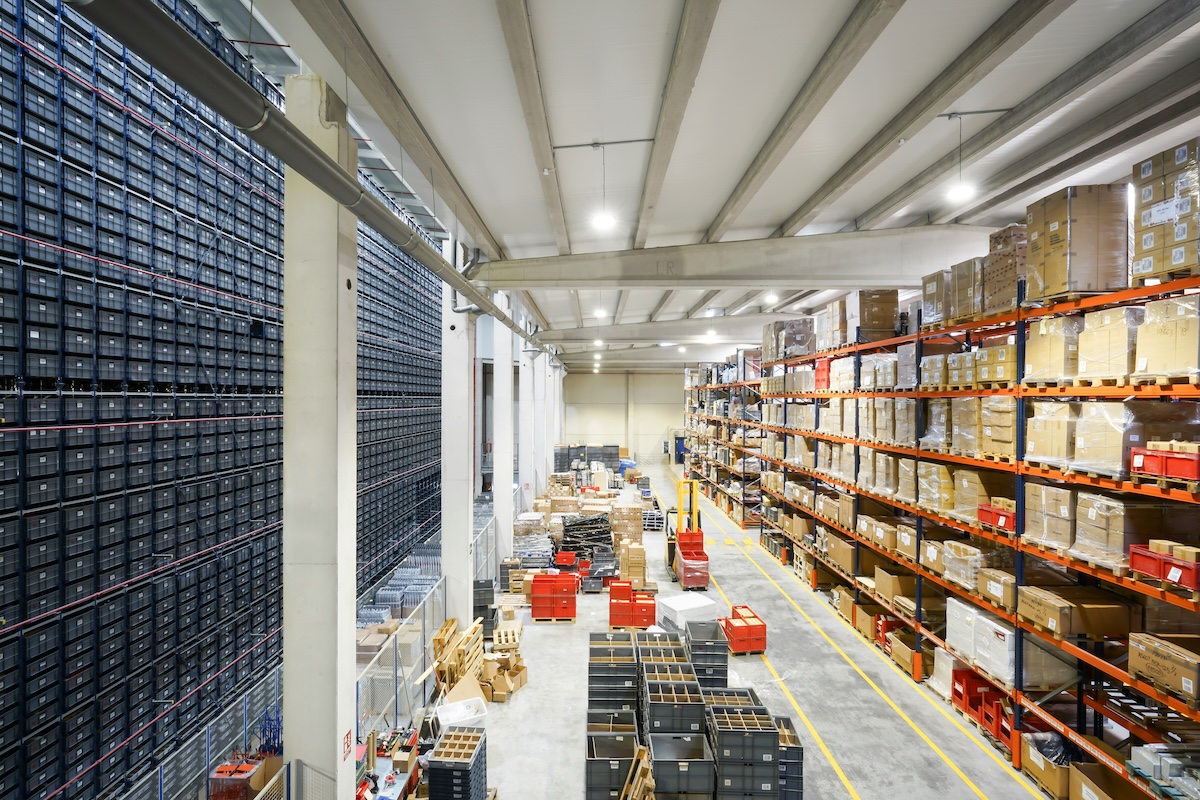
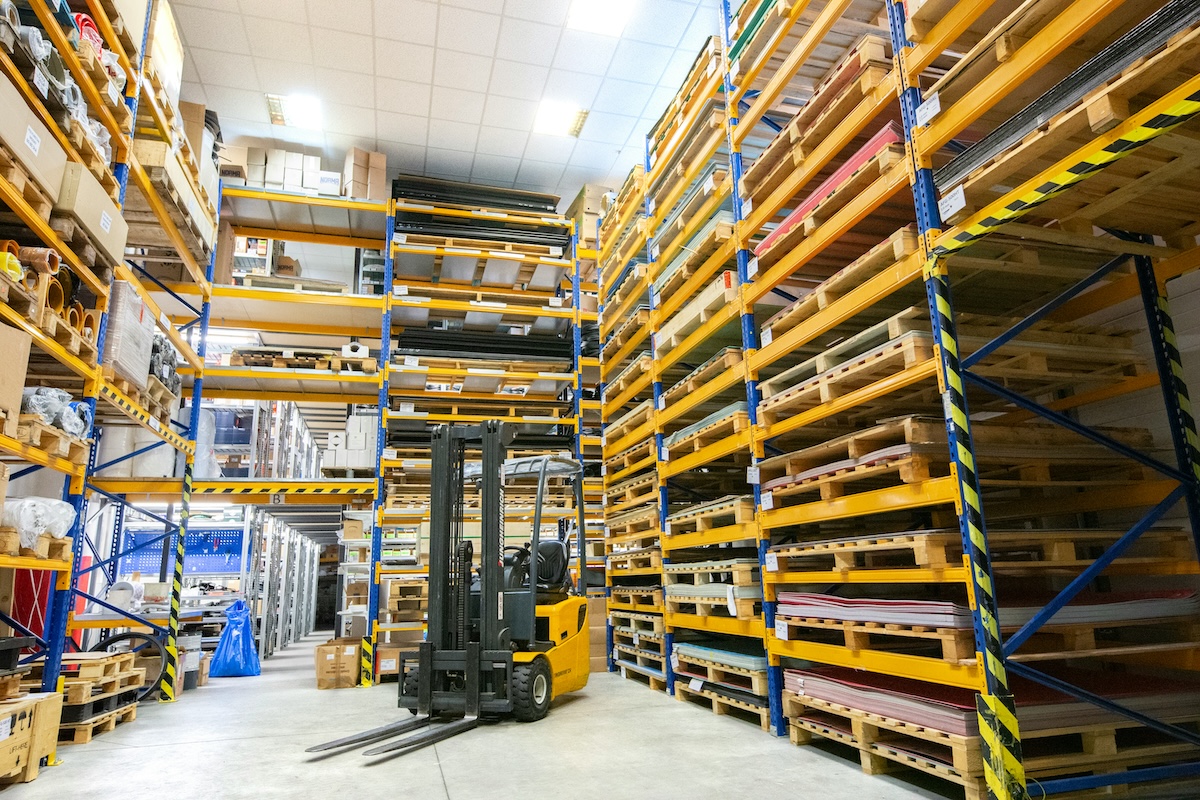
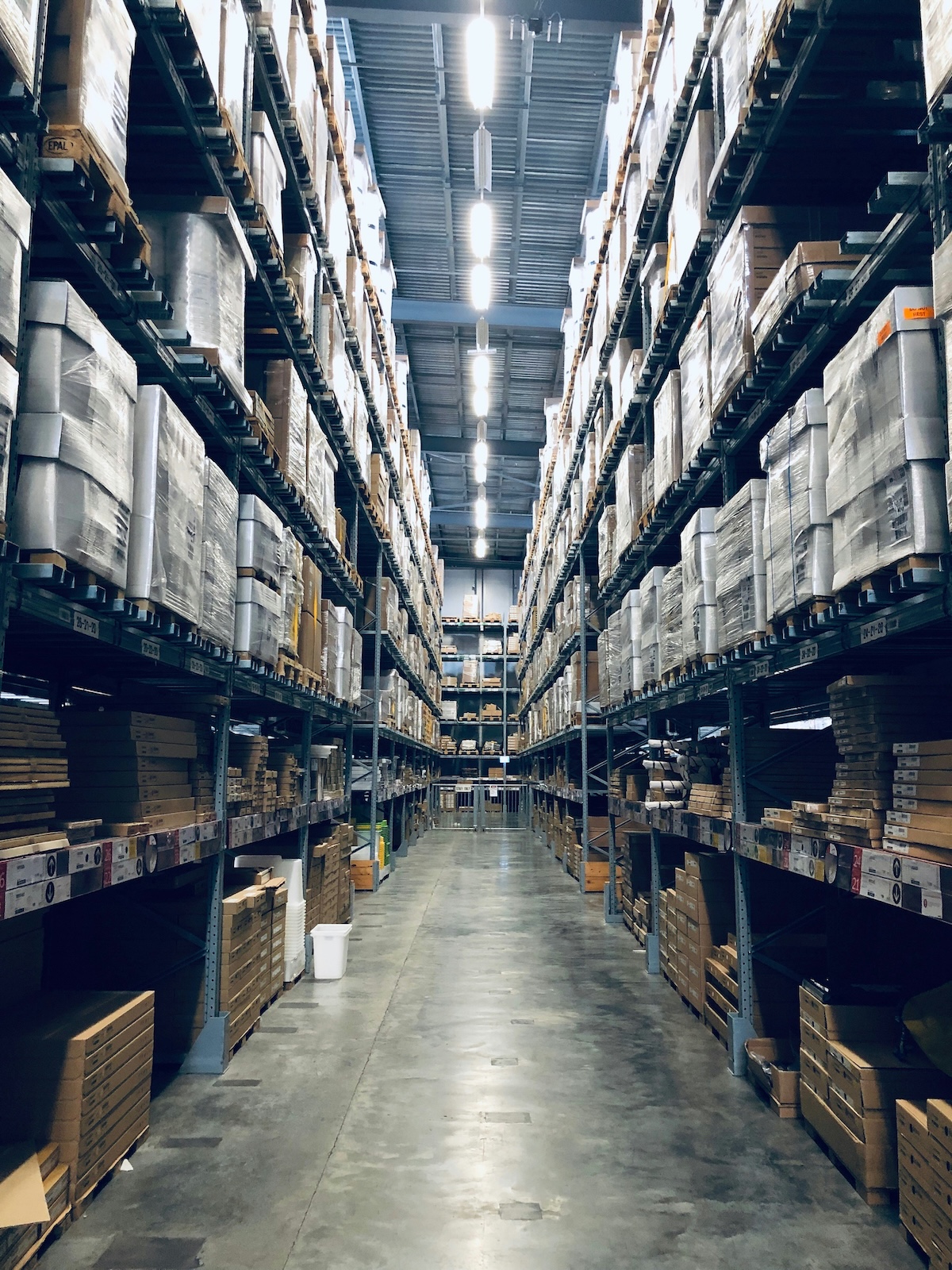
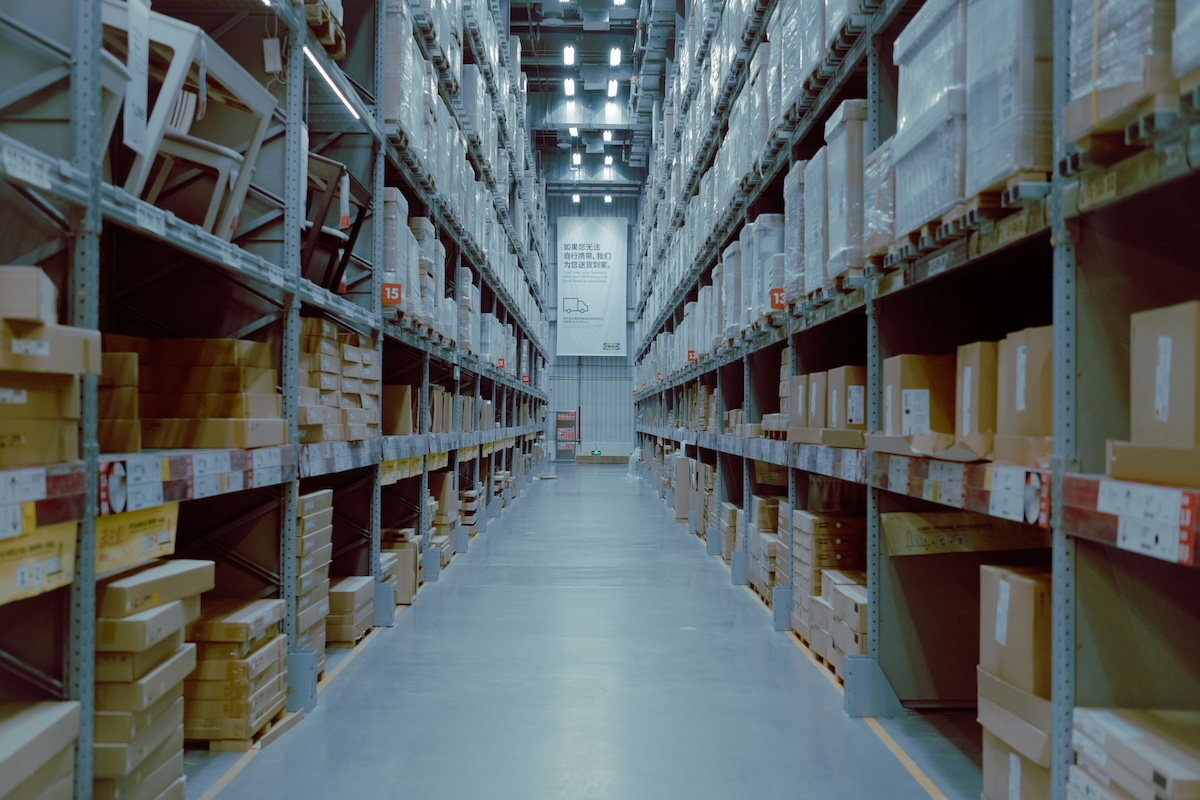
A warehouse systems integrator is a company that designs, engineers, sources, installs, and supports the physical and automated systems inside a distribution or storage facility. That includes pallet racking and storage systems, mezzanines, conveyors, automated storage and retrieval systems, and the integration work that ties hardware, software, and workflow together.
The key word is integrator. A supplier sells you rack. An installer puts it up. An integrator owns the entire outcome, from understanding your operational goals through engineering a solution, navigating permitting, managing the build, and supporting the system once it is live. When you hire one company to coordinate every piece, you get a single point of accountability instead of a chain of vendors pointing fingers at each other.
Integrator vs. Supplier vs. Installer
Understanding these roles helps you ask better questions and avoid paying integrator prices for installer service.
A supplier sells racking, shelving, and components, but does not handle design, permitting, or project management. An installer erects equipment on site, but does not own the engineering, code compliance, or long term support. A systems integrator does all of it: design, engineering, permitting, installation, integration, and ongoing support, and does not hand off responsibility once the equipment ships.
If a company calls itself an integrator but only quotes equipment and labor, keep looking.
Why Choosing the Right Integrator Matters
Warehouse projects carry real financial and operational risk. A racking layout that ignores your pick paths slows every order for years. A storage system installed without proper high pile permitting can be red tagged by the fire marshal after you have already moved inventory in. Automation sized to the wrong throughput either bottlenecks your operation or wastes capital you did not need to spend.
The integrator you choose absorbs or amplifies those risks. A strong partner anticipates permitting hurdles, supply chain delays, and field surprises before they derail your timeline. A weak one reacts after the fact, and the cost lands on you. This is why the questions you ask up front matter more than the price on the proposal.
How to Choose a Warehouse Systems Integrator
Choosing the right warehouse systems integrator comes down to evaluating five things: relevant experience, design and engineering depth, permitting and compliance capability, project management discipline, and long-term support. Score every candidate against all five rather than focusing on price alone, because the cheapest quote often hides gaps that cost far more later.
Step by Step: How to Evaluate an Integrator
- Define your goals first. Write down your throughput targets, growth plans, budget range, and timeline before you talk to anyone.
- Build a shortlist of integrators with experience in your facility type and region.
- Ask each one the questions in the next section and take notes on how they answer.
- Request references and recent project examples that resemble your project.
- Confirm they handle design, permitting, and code compliance in house or through controlled partners.
- Compare proposals on scope and accountability, not just dollars.
- Choose the partner who treats your risks as their own and commits to support after launch.
Questions to Ask a Warehouse Systems Integrator
This is the core of your evaluation. Bring these questions to every conversation and compare the answers side by side.
Questions About Experience and Expertise
- How many projects like mine have you completed, and can you share examples?
- Do you have experience in my specific facility type, such as cold storage, high bay, or fulfillment?
- What is the background of your leadership and engineering team?
- Have you worked in my region and with my local code requirements?
Experience in your type of operation matters more than total years in business. An integrator with deep fulfillment experience may not be the right fit for a heavy industrial storage facility, and vice versa.
Questions About Design and Engineering
- Will you visit my site and study my actual workflow before proposing a solution?
- Do you have in house engineering, or do you outsource design?
- How do you decide where automation helps and where it is unnecessary spend?
- Can you design for my future growth, not just today's volume?
A good integrator listens before it designs. Be cautious of anyone who hands you a generic quote without understanding your operation. The goal is a solution fit to your problems, not a catalog of equipment.
Questions About Permitting and Compliance
- Do you handle permitting and high pile storage analysis, or is that my responsibility?
- How do you navigate multi jurisdiction or unfamiliar code requirements?
- Who is accountable if a system fails inspection?
- Are your designs compliant with fire and building codes from the start?
Permitting is where many projects stall. An integrator who owns this process protects you from delays and red tags. One who pushes it back to you is handing you their risk.
Questions About Project Management
- Who is my single point of contact throughout the project?
- How do you communicate progress and handle schedule changes?
- What is your process when something goes wrong, like a supply delay or field conflict?
- How do you keep the project on track when the unexpected happens?
Every warehouse project hits surprises. What separates a strong integrator is how they manage chaos. Ask for a specific example of a problem they solved on a past job.
Questions About Support and Accountability
- What warranty do you offer on equipment and workmanship?
- What does support look like after the system goes live?
- Will the same team be reachable in a year, or do you move on after install?
- How do you define accountability on this project?
The answer to that last question tells you almost everything. A partner who treats your risks as their risks, and your priorities as their priorities, will say so plainly and back it with a support commitment.
Red Flags to Watch For
Some warning signs show up early if you know what to look for.
- Vague or padded timelines with no explanation of how they manage delays.
- A quote that arrives before anyone has studied your operation.
- No in house engineering and no clear answer on who handles design.
- No knowledge of local permitting or high pile requirements.
- Reluctance to provide references or recent project examples.
- Communication that is slow or unclear during the sales process. It rarely improves after you sign.
- A focus on selling equipment rather than solving your operational problem.
If you see several of these together, the project risk is high no matter how attractive the price looks.
What a Strong Integrator Looks Like
The best integrators share a few traits. They study your operation before proposing anything. They keep engineering, permitting, and project management under one roof so accountability never gets lost in handoffs. They communicate clearly and often. They anticipate problems instead of reacting to them. And they stay reachable long after the system is running.
Above all, a strong partner shares your risk. When your timeline, your compliance, and your throughput become their responsibility, you get a facility that performs and a relationship that lasts beyond a single transaction.
Conclusion
The integrator you pick shapes how your facility runs for years, so treat the selection like the long term commitment it is. Anchor your decision on the five areas covered here: experience that matches your operation, real design and engineering depth, full ownership of permitting and compliance, disciplined project management, and a genuine support commitment after launch. Use the questions above to pressure test every candidate, and pay attention to how they handle hard questions, not just easy ones.
Your practical next step is simple. Write down your goals and constraints, build a shortlist of two or three integrators with relevant experience, and run each one through the question set. The partner who answers directly, owns the risk, and commits to staying accountable is the one worth signing with.
Frequently Asked Questions
What does a warehouse systems integrator do?
A warehouse systems integrator designs, engineers, sources, installs, and supports the storage and automation systems inside a facility. Unlike a supplier or installer, an integrator owns the full outcome and acts as a single point of accountability from concept through long term operation.
How do I choose the right warehouse systems integrator?
Evaluate candidates on five things: relevant project experience, design and engineering depth, permitting and compliance capability, project management discipline, and long term support. Ask each one targeted questions, request references, and compare proposals on scope and accountability rather than price alone.
What questions should I ask before hiring an integrator?
Ask about their experience with projects like yours, whether they study your workflow before designing, how they handle permitting and high pile analysis, who manages your project day to day, how they respond when problems arise, and what support they provide after the system goes live.
How much does a warehouse systems integration project cost?
Costs vary widely based on facility size, the type of storage and automation involved, and the level of design and permitting required. Rather than chase the lowest quote, compare proposals on scope and accountability, since gaps in a cheap bid often cost far more in delays, rework, or failed inspections.
What is the difference between a warehouse integrator and a supplier?
A supplier sells equipment such as racking and shelving. An integrator designs the system, engineers it for your operation, handles permitting and code compliance, manages installation, and supports the system afterward. The integrator carries the risk and accountability that a supplier does not.