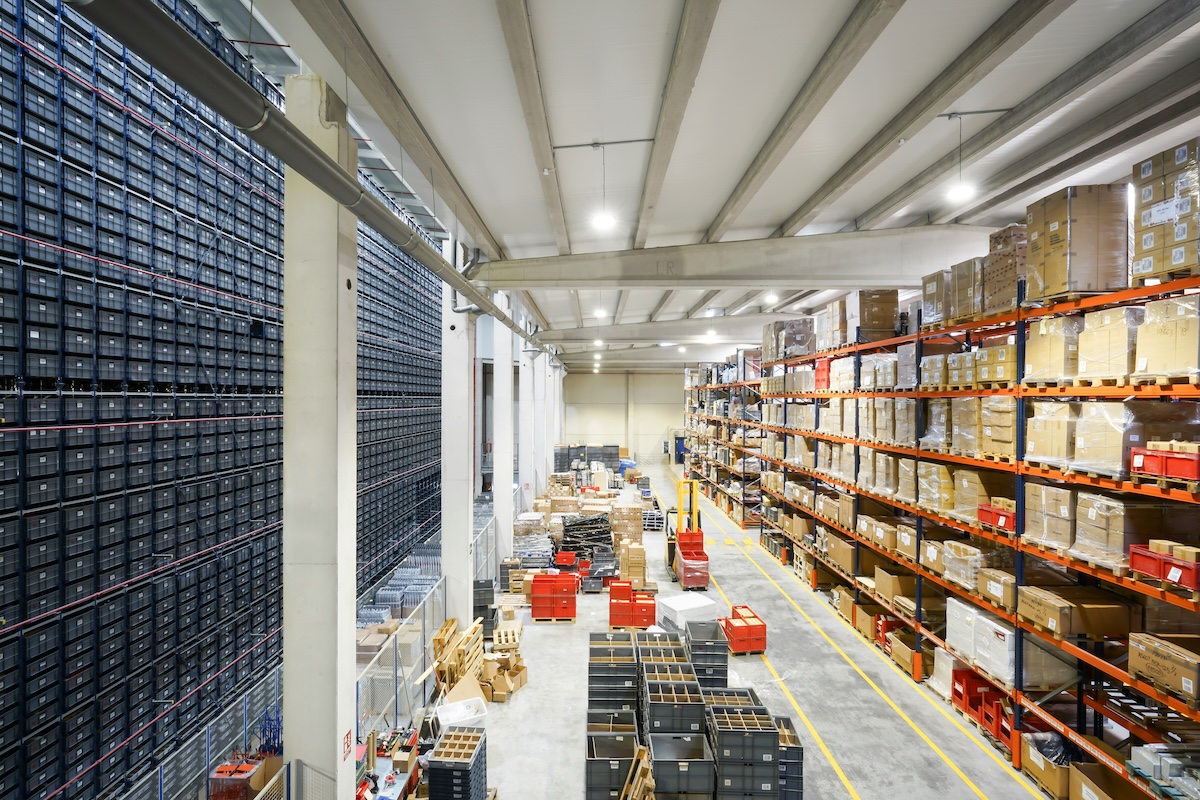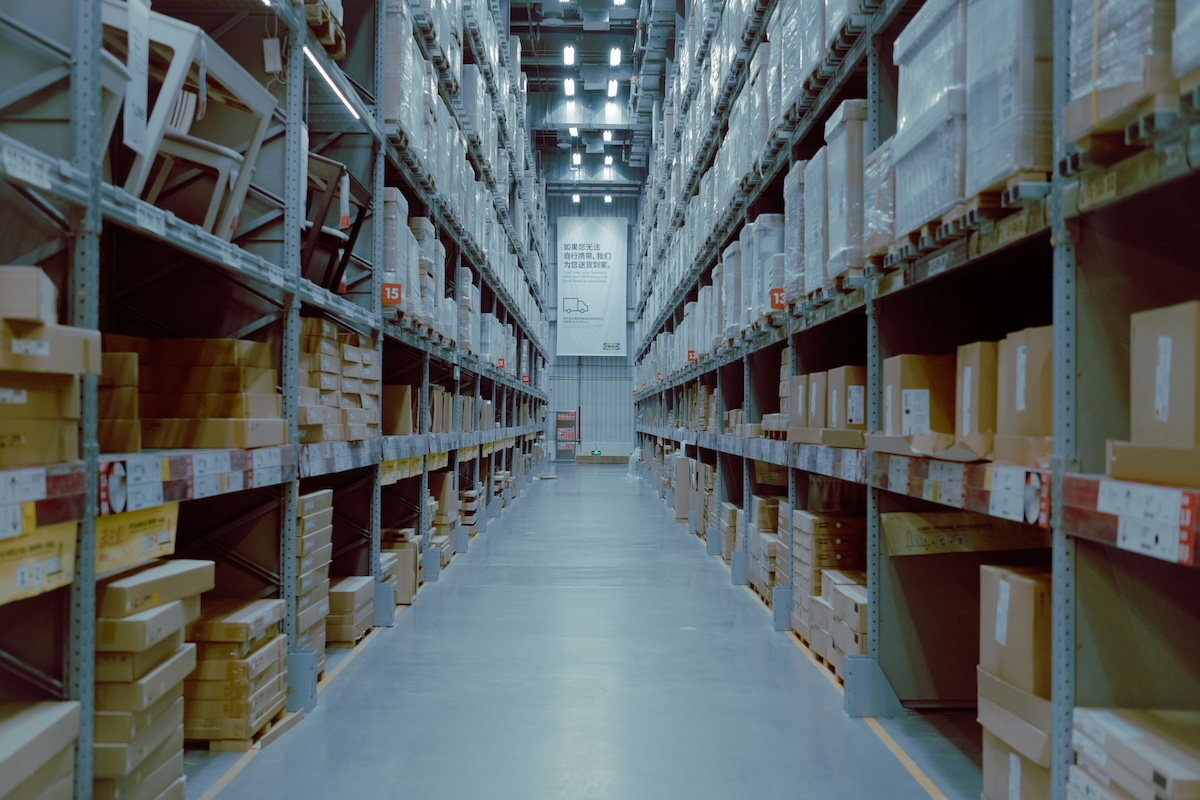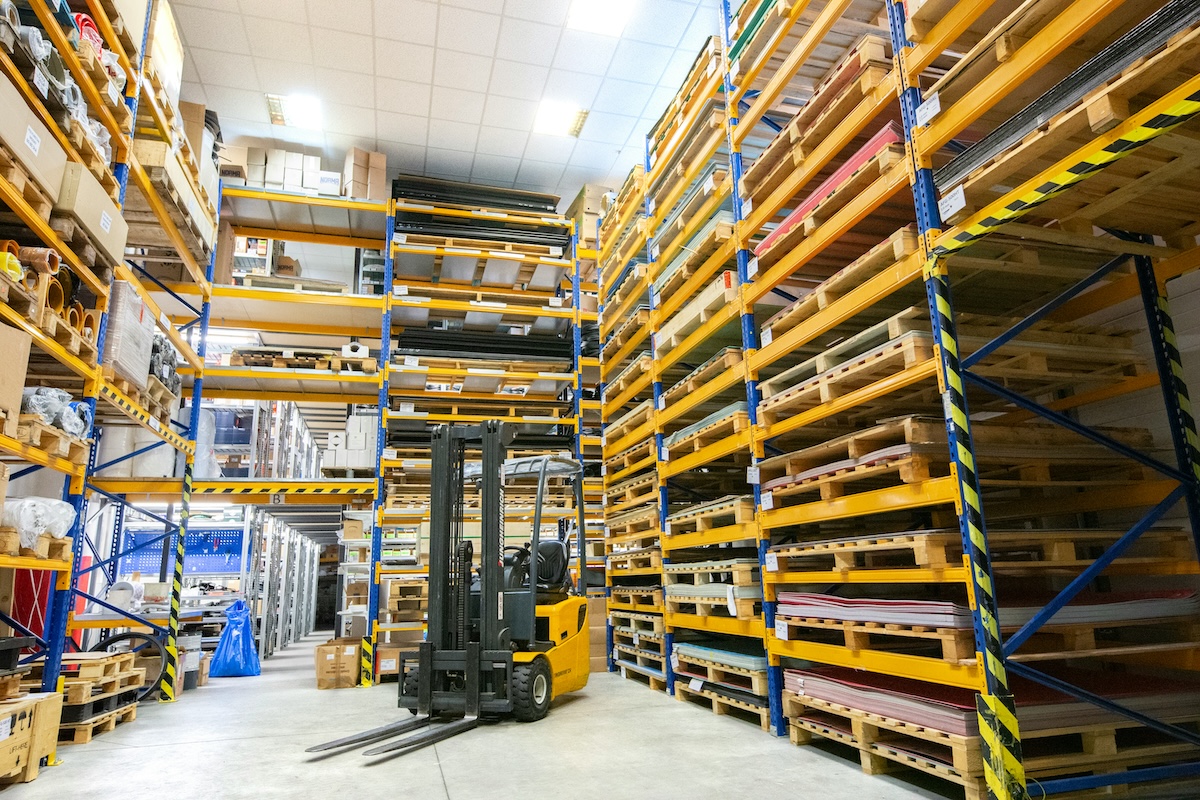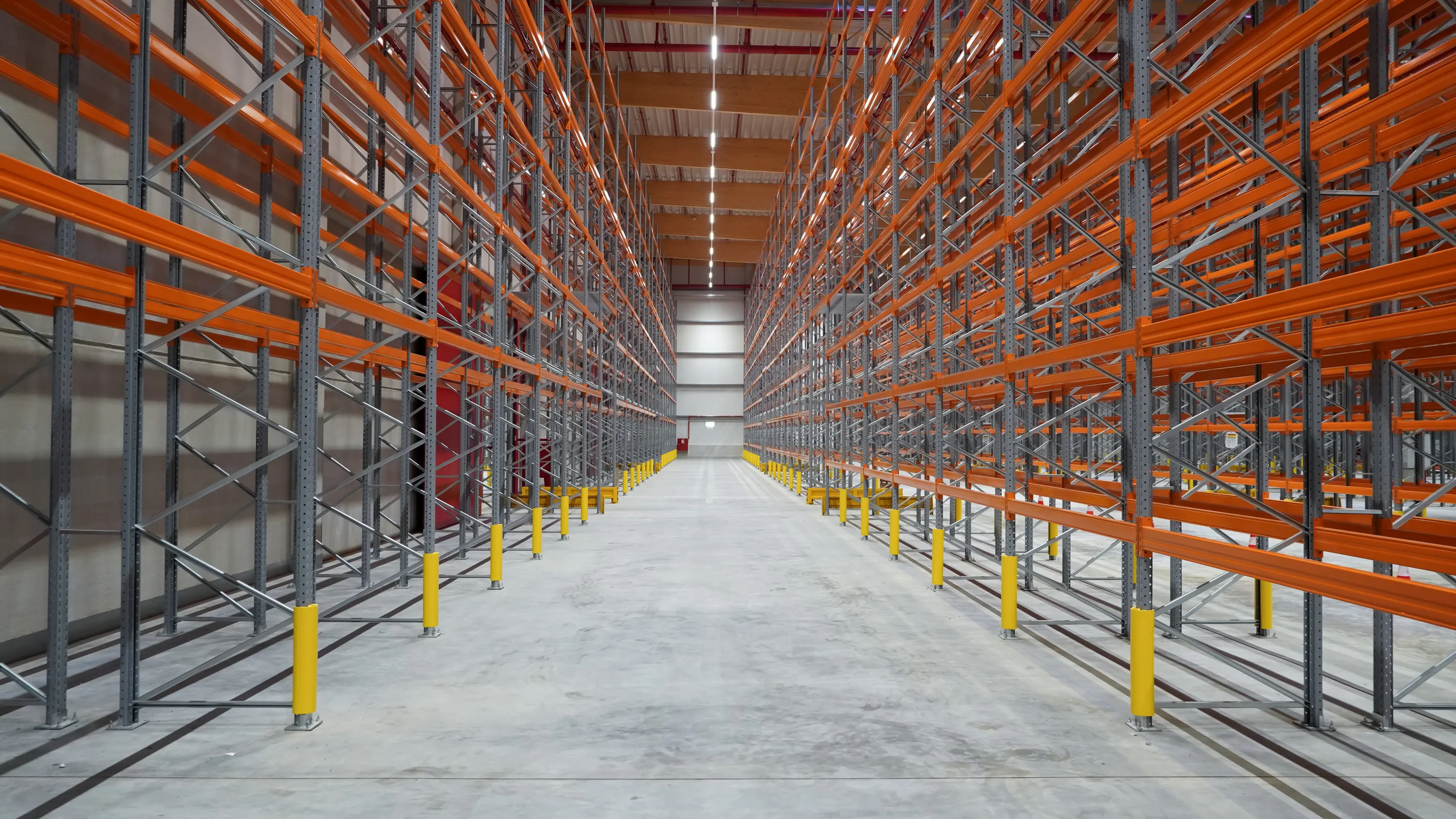
You're running out of space. Inventory is creeping into aisles, staging areas are overcrowded, and your team is working around the problem instead of solving it.
So now you're weighing options: build out, move to a bigger facility, or add a mezzanine. The pressure to decide is real, but the financial implications of getting it wrong are significant.
Here's how the numbers actually break down.
The True Cost of Warehouse Expansion
Expanding your footprint, whether building an addition or relocating, comes with costs that extend far beyond construction.
New construction costs: Industrial warehouse construction varies widely by market, but you're typically looking at anywhere from $50 to over $100 per square foot for basic warehouse space. In high-cost metros, that number climbs significantly higher. A modest addition can easily run into the millions.
Leasing alternative: If you're considering a larger leased space instead, national average asking rents have climbed steadily in recent years, and that's before triple-net charges add costs for taxes, insurance, and maintenance. In competitive markets, you could be paying substantially more than the national average.
Timeline: Permits, construction, and buildout typically take 12 to 24 months. That's a long time to operate in a space that's already at capacity.
Hidden costs: Moving inventory, rerouting workflows, retraining staff, updating systems, new utility connections, and duplicating infrastructure. The operational disruption alone can cost you.
What a Mezzanine Actually Costs
A mezzanine is an elevated platform installed between your floor and ceiling, essentially creating a second level within your existing footprint.
Pricing varies based on size, load capacity, and complexity, but here's what to expect:
- Basic steel storage mezzanines start on the lower end of the range
- Standard warehouse mezzanines fall in the middle
- Office-grade or heavy-duty applications run higher
- Custom or complex installations cost more still
You'll also need to budget for site preparation, electrical and lighting integration, building permits, and engineering. Installation is often included in the quote.
The key comparison: a mezzanine typically costs significantly less per square foot than new construction, and you're not paying for land, extended permitting, or months of downtime.
Timeline: Days vs. Months
This is where mezzanines shine.
Mezzanine timeline:
- Consultation and design: a few weeks
- Fabrication: several weeks
- Installation: often less than two weeks for most projects
Most mezzanine components can be assembled in days with minimal disruption to ongoing operations.
Expansion timeline:
- Design and engineering: months
- Permitting: months (highly variable by jurisdiction)
- Construction: six months to a year or more
If you need capacity in the next quarter, not the next year, a mezzanine is often your only realistic option.
The Tax Advantage Most People Miss
Mezzanines typically qualify as equipment rather than real estate improvements. That means accelerated depreciation over a shorter period, compared to the decades required for permanent building improvements.
This difference in depreciation schedule can meaningfully impact your tax position in the early years of ownership. Consult your accountant, but this is a financial consideration that often tips the scales.
ROI Comparison
Mezzanine ROI: Most mezzanines pay for themselves within a few years through increased storage capacity and avoided lease or expansion costs. When you factor in the rent you'd otherwise pay for additional space, the math often works out quickly.
Expansion ROI: New construction typically takes much longer to deliver comparable returns, with significantly more capital at risk and longer exposure to market changes.
When a Mezzanine Makes Sense
A mezzanine is likely your best financial option if:
- You have adequate clear height (generally 18 feet or more)
- Your constraint is floor area, not cubic volume
- You need capacity in months, not years
- Budget favors lower capital expenditure
- Your current location works and you just need more room
- You want flexibility since mezzanines can often be relocated or reconfigured
Common uses: Bulk storage for slower-moving SKUs, pick modules, pack-and-ship stations, office or break room space, and equipment platforms.
When Expansion Is the Right Call
Sometimes a mezzanine won't cut it. Expansion makes more sense when:
- Ceiling height is too low for a functional second level
- You've already maximized vertical space and layout optimization
- Growth projections show sustained increases that will exceed mezzanine capacity within a few years
- Your operation requires ground-level access for all inventory
- You need specialized infrastructure like cold storage, hazmat areas, or heavy floor loads
If you're going to outgrow a mezzanine quickly, the smarter investment might be expansion now.
The Question Most People Skip
Before choosing either option, ask: Have we actually maximized our current space?
I've walked into "out of space" warehouses and found significant hidden capacity through better slotting, narrower aisles, vertical racking optimization, and dead inventory removal. Sometimes the right answer isn't mezzanine or expansion. It's neither, at least not yet.
The Bottom Line
For most operations facing near-term space constraints, mezzanines deliver better financial returns: lower cost per square foot, faster implementation, less disruption, potential tax advantages, and no increase to fixed overhead.
Expansion makes sense when growth is substantial, sustained, and clearly beyond what vertical optimization can handle.
But the best financial decision starts with understanding what's actually driving your space problem and whether you've exhausted the simpler solutions first.
Need Help Deciding?
At Precision Integrators, we don't push solutions. We help you find the right one. We'll assess your current layout, identify hidden capacity, and give you an honest recommendation on whether a mezzanine, expansion, or optimization makes the most sense for your operation.
Let's look at your space together and find the smartest path forward.
Frequently Asked Questions
How much does a warehouse mezzanine cost?
Pricing varies based on size, load requirements, and complexity. Basic storage mezzanines cost less than office-grade or heavy-duty applications. You'll also need to budget for permits, engineering, and site preparation. The best approach is to get quotes based on your specific requirements.
How long does mezzanine installation take?
Most projects complete in a couple of months from approval to use. Fabrication takes several weeks, and on-site installation is often measured in days rather than weeks. That's far faster than the year or more required for new construction.
Can I depreciate a mezzanine faster than a building addition?
Typically yes. Mezzanines often qualify for accelerated depreciation compared to permanent building improvements. This can improve your tax position in the early years of ownership. Consult your accountant for guidance specific to your situation.
What ceiling height do I need for a mezzanine?
You generally need around 18 feet or more of clear height to make a mezzanine practical. This allows adequate headroom both above and below the platform. A structural assessment will confirm whether your building can support the additional load.
When does warehouse expansion make more sense than a mezzanine?
Expansion is the better choice when your ceiling height is too low, you've already maximized vertical space, growth projections show you'll outgrow a mezzanine within a few years, or your operation requires ground-level access for heavy equipment or specialized infrastructure.