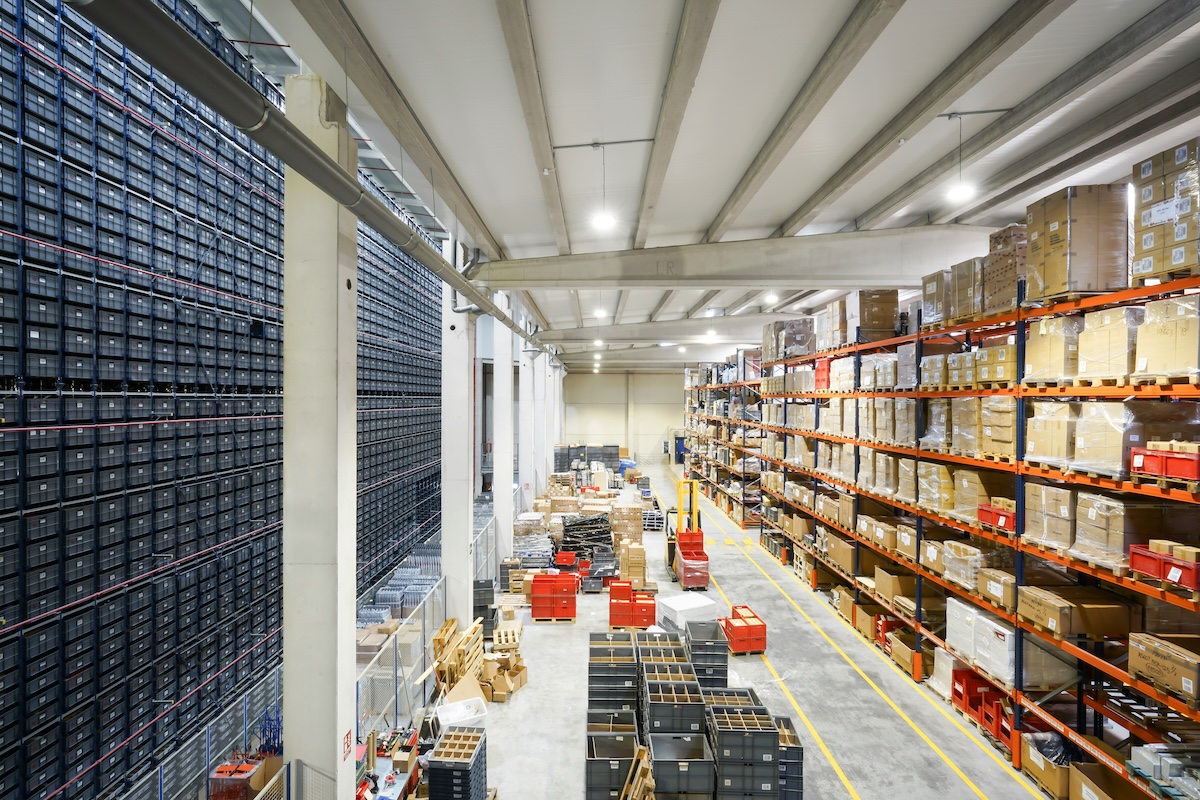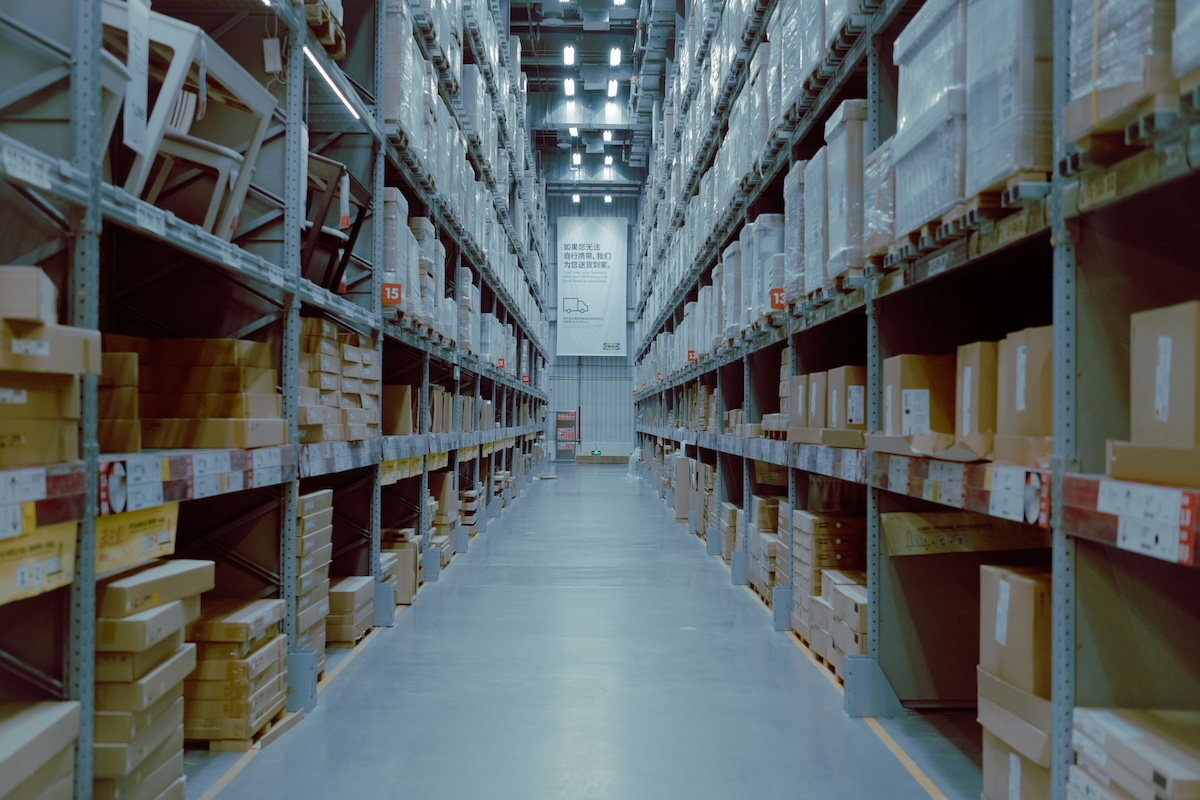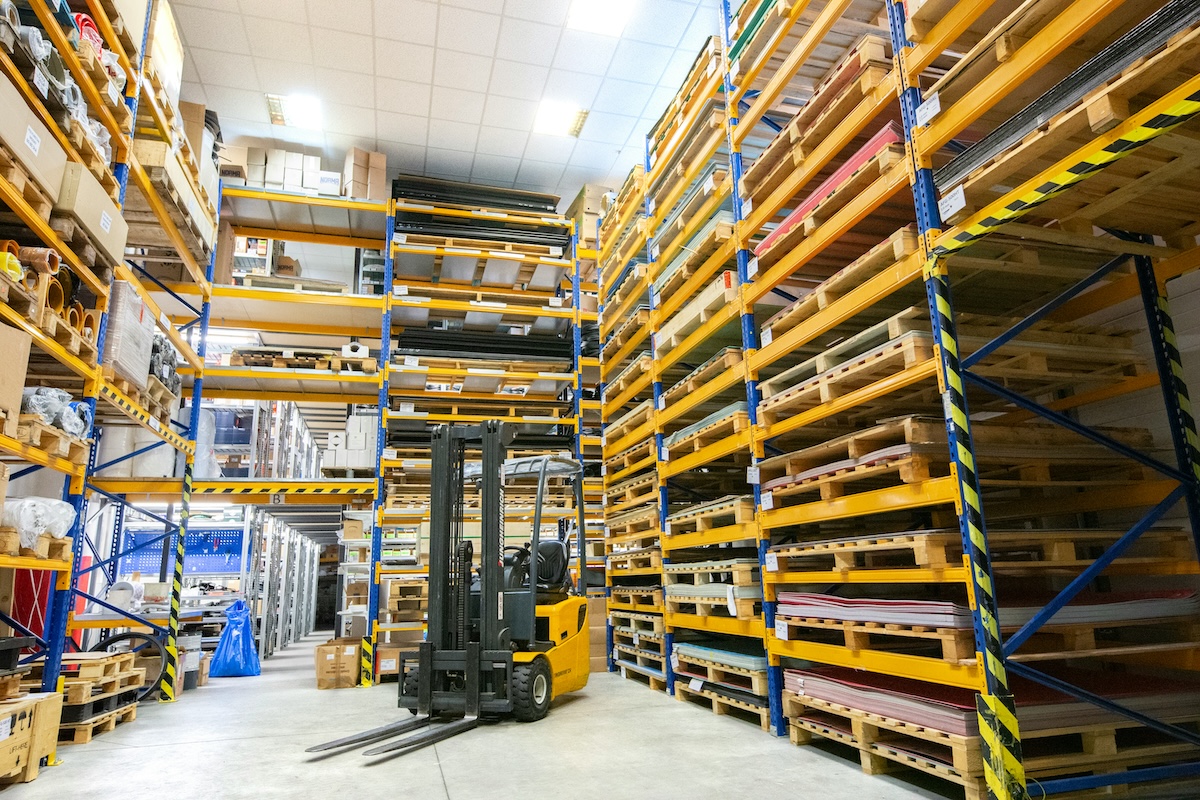
Nearly half of warehouse operators report needing more space. But expanding your footprint isn't always the answer—and it's rarely the cheapest one.
Before you sign a new lease or break ground on an addition, here are seven proven ways to unlock capacity you didn't know you had.
1. Go Vertical with Your Racking
Most warehouses underutilize vertical space. If you have standard 24-foot clear height and only three levels of racking, you're leaving money on the ceiling.
Quick win: Measure from your highest pallet to the lowest overhead obstruction. If there's more than 18 inches of clearance, you likely have room to add another storage level.
2. Narrow Your Aisles
Wide aisles eat floor space. Reducing aisle width from 12 feet to 8 feet can recover 15-20% of your usable area.
The trade-off: You may need narrow-aisle forklifts or reach trucks. Run the numbers—the equipment investment often pays back within 18 months through avoided expansion costs.
3. Install a Mezzanine
A mezzanine can nearly double your usable floor space without expanding your building footprint. They're ideal for:
- Slower-moving inventory
- Pick-and-pack operations
- Office or break room space (freeing up ground-level storage)
Installation typically takes days, not months—and costs a fraction of new construction.
4. Audit Your Dead Inventory
Here's an uncomfortable truth: if you can run your finger across a product and find dust, it's costing you money just sitting there.
Conduct a velocity analysis. Identify SKUs that haven't moved in 90+ days and make hard decisions: liquidate, donate, or destroy. That "just in case" inventory is blocking space for products that actually sell.
5. Right-Size Your Storage Containers
Many warehouses use a "one size fits all" approach to bins and containers. The result? Small parts rattling around in oversized bins, wasting cubic space inside every rack position.
Sort inventory by size. Match containers to contents. This simple change can increase storage density by 10-15% without touching your racking.
6. Reclaim Dead Zones
Look up. Look around. Most facilities have untapped space hiding in plain sight:
- Above dock doors (perfect for empty pallets or packaging materials)
- Over cross-aisles (tunnel racking can add 5-10% capacity)
- Corners and awkward spaces (consider carton flow or cantilever racks)
7. Optimize Slotting Based on Velocity
The Pareto principle applies here: 80% of your picks come from 20% of your SKUs. Those fast-movers should be at waist height, near packing stations, in prime real estate.
Slow-movers? Push them to higher levels, deeper positions, or less accessible zones. Strategic slotting doesn't add space—but it makes the space you have work harder.
The Bottom Line
Warehouse expansion is expensive, time-consuming, and disruptive. Before committing to that path, exhaust your optimization options.
A trained eye can often find 20-30% more capacity hiding in an "out of space" warehouse. Sometimes it takes racking modifications. Sometimes it's just smarter slotting. Either way, the ROI beats new construction every time.
Need Help Maximizing Your Space?
At Precision Integrators, we don't show up with a quote—we show up to listen. We'll assess your current layout, identify hidden capacity, and design a solution that solves your actual problem.
Schedule a free warehouse assessment and let's find the space you didn't know you had.
Frequently Asked Questions on Warehouse Space Optimization
What is a good warehouse space utilization rate?
Aim for 22-27% of total cubic space. Below that means wasted capacity. Above 80-85% and you'll start seeing congestion, safety issues, and productivity drops.
How much does a warehouse mezzanine cost compared to expansion?
A mezzanine typically costs a fraction of new construction—often 50-70% less per square foot. Plus, installation takes days instead of months with minimal disruption to operations.
How often should I audit my warehouse layout?
At minimum, annually. But if you're experiencing rapid growth, seasonal peaks, or adding new product lines, review your layout quarterly to catch optimization opportunities early.
Can I increase storage without buying new racking?
Yes. Right-sizing containers, improving slotting, reclaiming dead zones, and clearing out slow-moving inventory can add 10-20% capacity without any new equipment.
When is it actually time to expand instead of optimize?
When you've exhausted optimization strategies and still consistently operate above 85% utilization, when your product mix has fundamentally changed, or when growth projections show sustained increases that your current footprint simply can't accommodate.